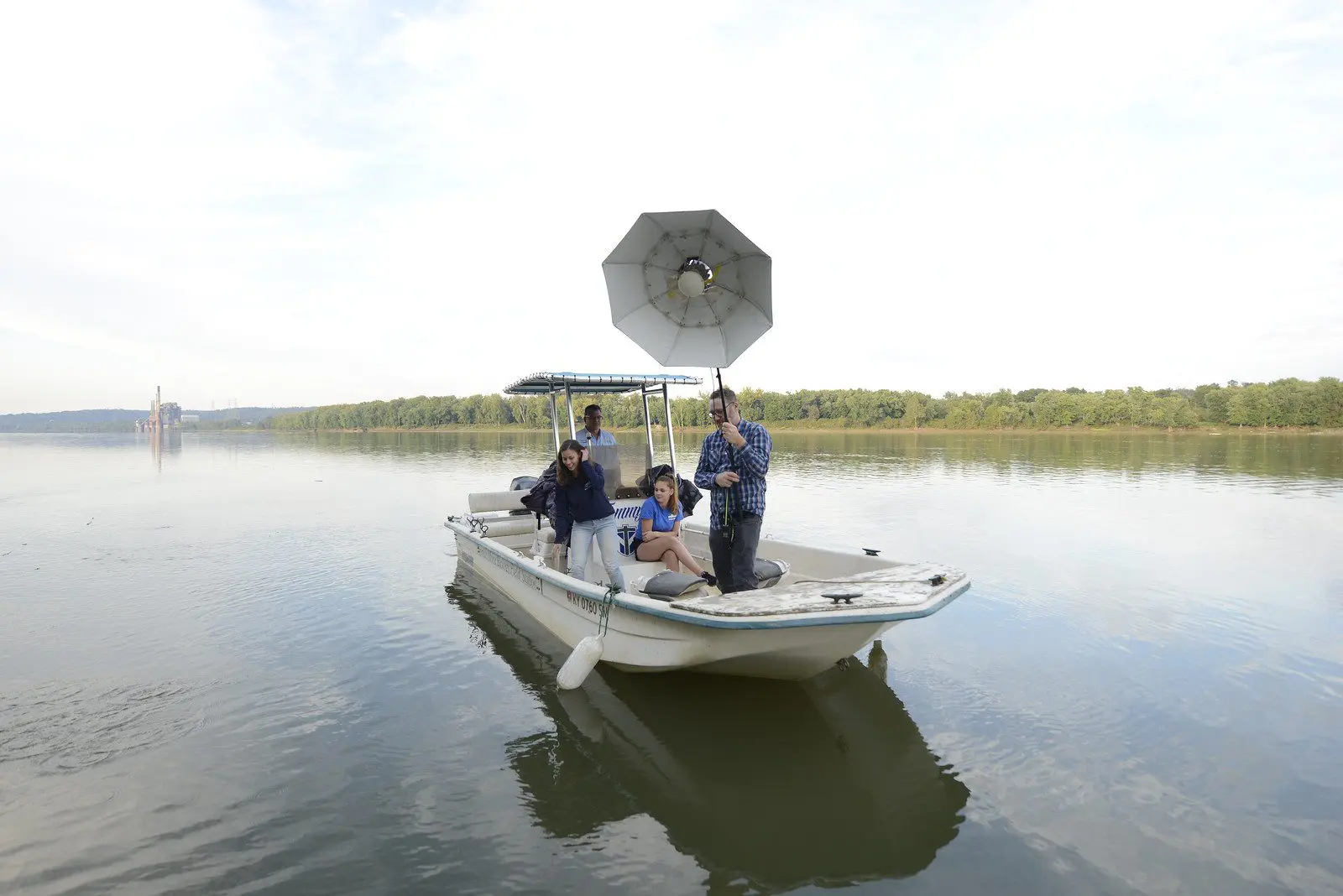
Biology Degree: Hands-On Science & Pre-Health Preparation
Major/Minor
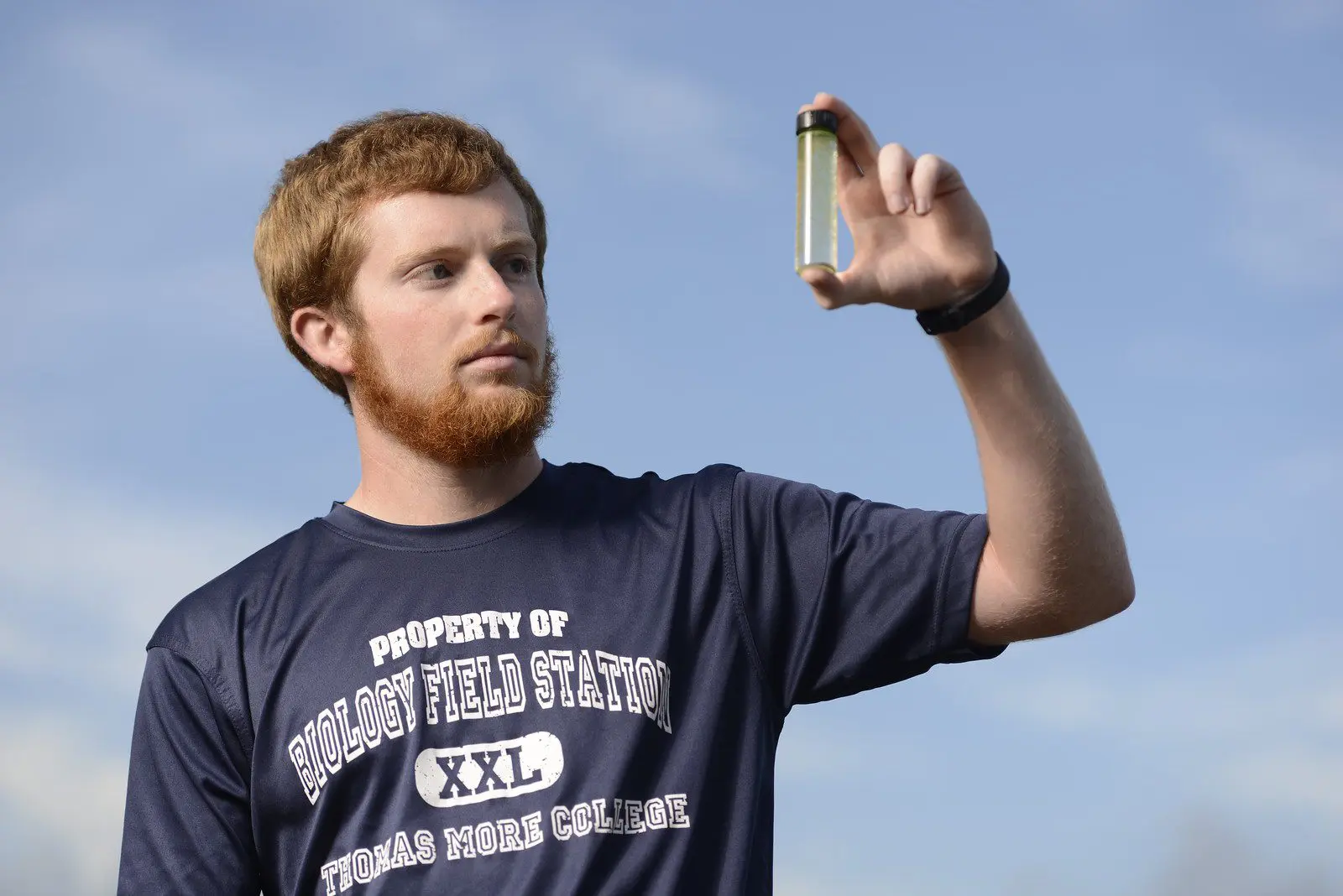
The Bachelor of Science in Biology at Thomas More University prepares students for careers in healthcare, research, environmental science, and graduate or professional programs such as medical, dental, and veterinary school. As a biology major, students build a strong foundation in the life sciences while developing critical thinking and analytical skills through a curriculum that combines core scientific courses with opportunities for upper-level specialization.
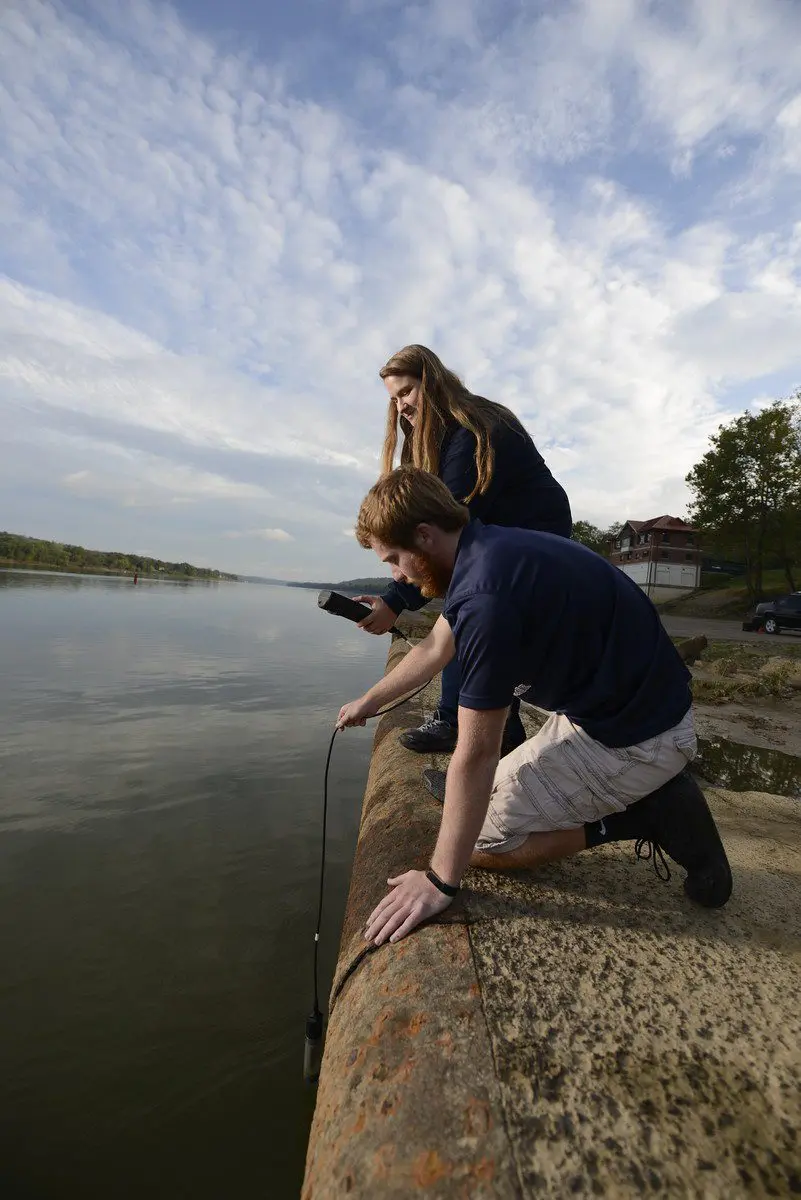
Students gain hands-on experience in laboratory and field settings and benefit from close collaboration with faculty in one of the university’s largest undergraduate programs. This supportive academic environment allows students to thrive in a small-campus setting while engaging with a vibrant community of biology students and faculty. Ready to Explore a Biology Degree?
Why study biology at Thomas More?
A diverse and specialized curriculum is taught by expert faculty. Core foundational courses are complemented by specialized upper-level offerings (e.g., animal behavior, aquatic biology, biochemistry, cell biology, molecular genetics). Study abroad opportunities taught by professors exist in New Zealand and Scotland.
With a large population of students in the department, Thomas More’s biology majors are active in many campus organizations. Clubs include: Biological Honors Society, Biology Club, Blue & Green Club, Pre-Health Professionals Society, Marine Biology Club, and more.
Be part of the early assurance program at the University of Kentucky College of Medicine. Students completing their sophomore year are eligible for early conditional acceptance into the University of Kentucky College of Medicine-Northern Kentucky Campus, upon graduation from Thomas More.
Successful alumni make their mark throughout the industry, from health care (e.g., physicians, pharmacists, physical therapists), to research (e.g., biomedical, microbiology) and education, to the environmental and public service fields (e.g., Peace Corps, aquatic biologists). Thomas More biology alumni make important contributions in diverse careers around the world.
Thomas More’s faculty are trained in diverse areas of expertise and this is shared with students through research and teaching excellence. Students gain their biological training – both in breadth and depth – from faculty who are experts in all areas of the curriculum. These areas of expertise include biochemistry, immunology, and molecular and population genetics (cellular and molecular biology). In addition, there are faculty who are highly trained in anatomy and physiology, botany, ichthyology, and microbiology (organismal biology). The University also has faculty experts in marine biology, terrestrial plant ecology, animal behavior, and freshwater biology (ecological biology).
Shannon Galbraith-Kent, Ph.D.
Professor & Chairperson

John R. Hageman. Ph.D.
Associate Professor & Dir. of Medical Laboratory Sciences
Christopher N. Lorentz, Ph.D.
Professor & Dir. of Biology Field Station

Joseph E. Qualls, Ph.D.
Associate Professor

Zachary Taylor, Ph.D.
Professor

Sabine Zacate, Ph.D.
Assistant Professor

Kelly Barbour, M.S.
Senior Laboratory Coordinator and Instructor
Where do alumni work or pursue advanced degrees?
Recent graduates have entered professional programs (e.g., medical, dental, pharmacy, physical therapy) at many institutions. These institutions include the University of Louisville, University of Pennsylvania, Washington University (St. Louis), Ohio State University, University of Kentucky, Emory University, and Auburn University.
Additionally, many alumni enter graduate programs and pursue a wide variety of research interests. Research institutions with Thomas More alumni include Miami University, University of Florida, Rutgers University, Johns Hopkins University, Eastern Kentucky University, and the University of Cincinnati.
Graduates of Thomas More’s program have also found successful careers in very diverse organizations. These organizations include St. Elizabeth Healthcare, Proctor and Gamble, ORSANCO, AstraZeneca Pharmaceuticals, Cincinnati Children’s Hospital, and others.
What careers are open to me?
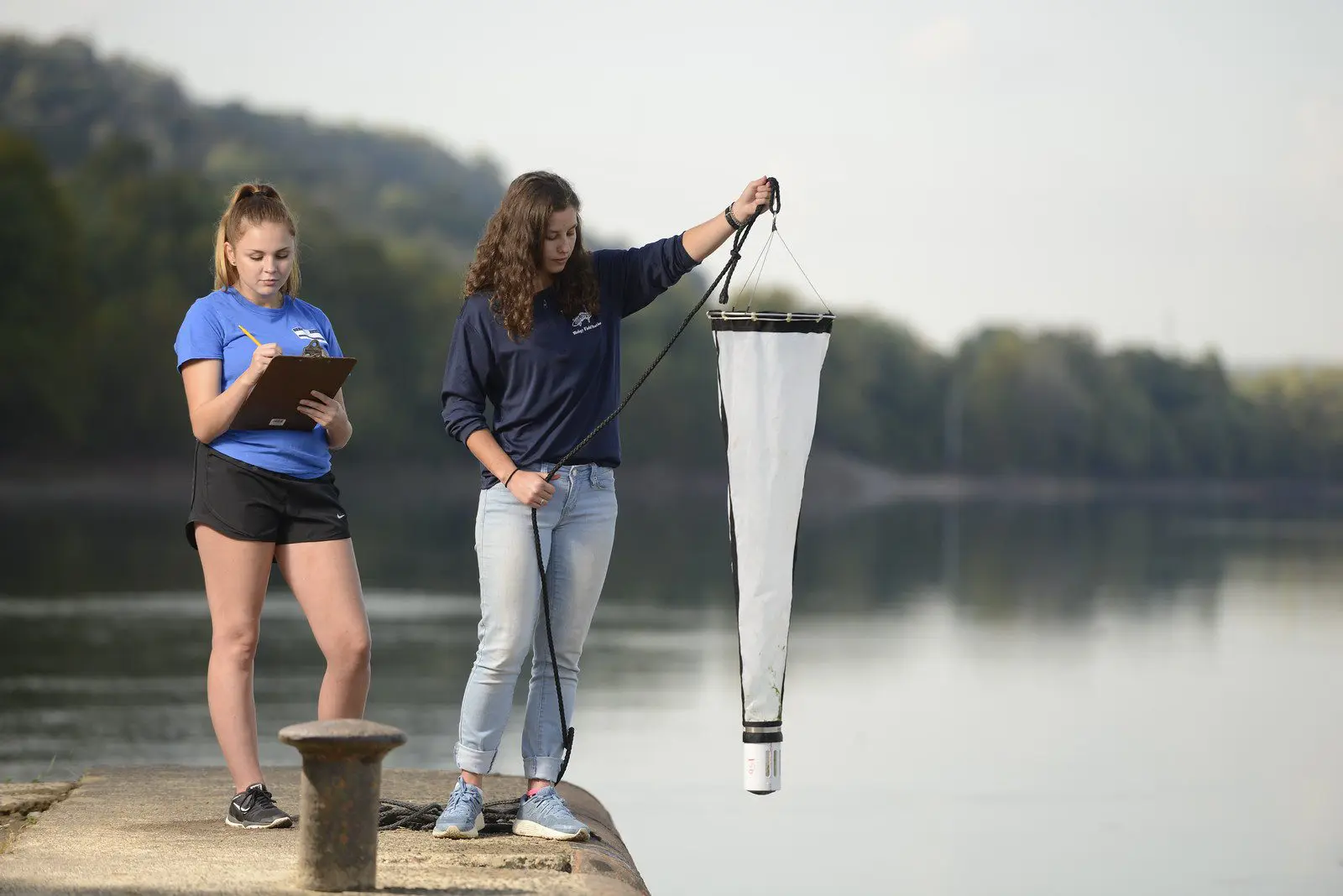
With a biology degree, a multitude of careers are open to students. A small sampling includes: anesthesiologist, aquatic biologist, biochemist, biology professor, biomedical researcher, botanist, conservation director and educator, data scientist, dentist, ecologist, entomologist, environmental lawyer, environmental scientist, epidemiologist, food and drug scientist, forensic biologist, forester, genetic counselor, horticulturist, immunologist, marine biologist, microbiologist, molecular biologist, occupational therapist, optometrist, pharmacist, pharmaceutical sales, health specialist, physical therapist, physician, physician assistant, podiatrist, researcher (in many fields), science teacher, scientific writer, veterinarian, wildlife biologist, zoologist, and more.
Experiential learning opportunities
Biology Tracks
- Allopathic Medicine
- Dental School
- Marine Biology
- Osteopathic Medicine
- Pharmacy
- Physical Therapy
- Physician Assistant

Interested
in becoming a Thomas More student?