Dr. E. Joseph Lee II
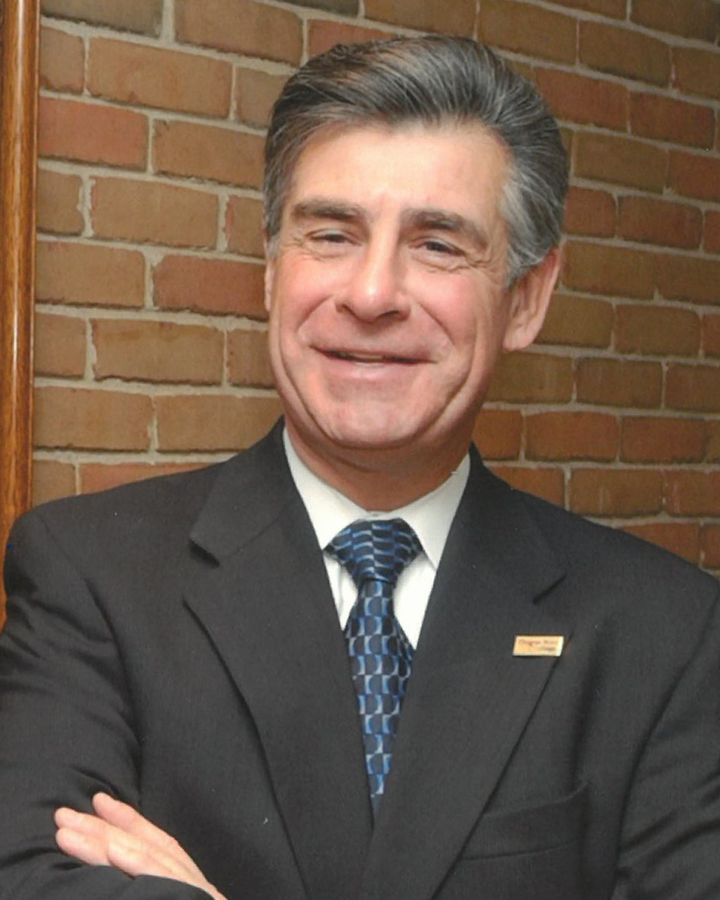
President of Thomas More College (2001-2004)
Before joining Thomas More College, Dr. E Joseph Lee II brought over three decades of experience in higher education administration. He served as Vice President for Student Life at Manhattan College, overseeing enrollment, student development, and marketing strategy. Prior to that, he was Vice President for Student Services at Merrimack College (1983–1990) and Dean of Admissions and Financial Aid (1976–1983), where he was the college’s first lay vice president. He began his career in career counseling at Framingham, Massachusetts, laying the foundation for student success and institutional advancement.
Dr. Lee was inaugurated on February 8, 2002, as the twelfth president of Thomas More College. His presidency emphasized strengthening academic rigor, institutional visibility, and community engagement within a Catholic liberal arts framework. Dr. Lee strengthened Thomas More’s regional presence by expanding partnerships with local businesses, educational institutions, and civic organizations while enhancing student recruitment, retention, and campus life through mission-driven leadership. He championed ethical leadership, access to higher education, and academic programs that integrated faith, leadership, and civic responsibility in keeping with the University’s Catholic and Benedictine traditions. His active involvement in organizations such as the Council of Independent Kentucky Colleges and Universities and the Greater Cincinnati Consortium of Colleges and Universities further elevated the University’s visibility and influence throughout the region.
Dr. Lee’s leadership was grounded in ethical administration and student-centered service. Drawing from his doctoral research on marketing ethics in higher education, he promoted integrity and accountability in all institutional practices. He believed Catholic education should form leaders who think critically, act ethically, and serve their communities with compassion and purpose.
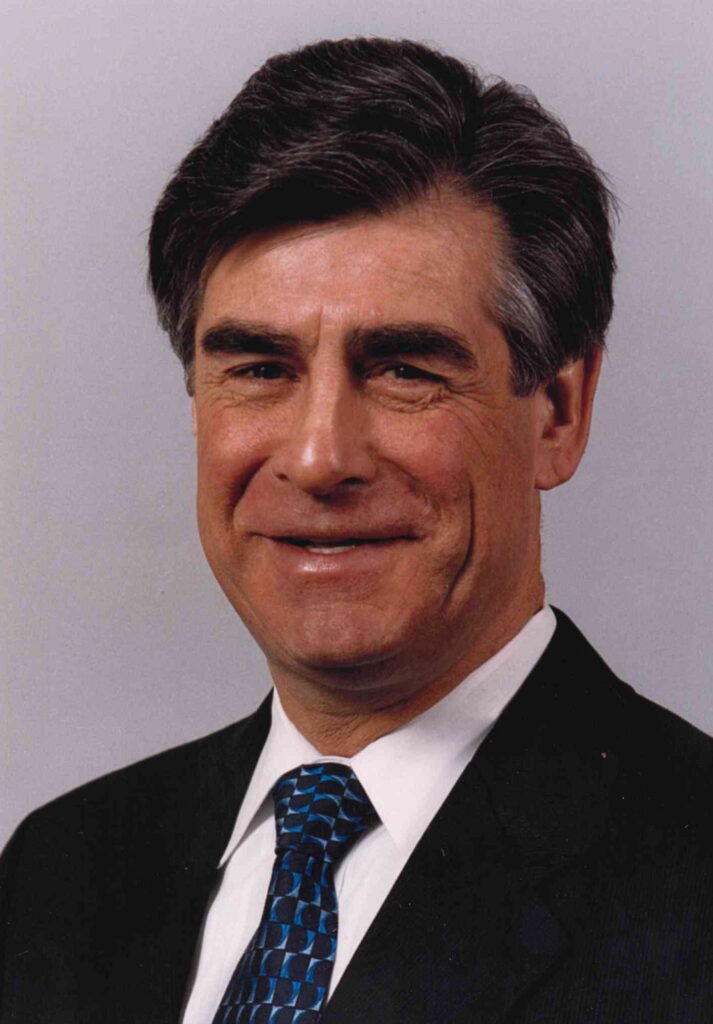
Dr. Lee’s presidency advanced Thomas More College’s institutional profile while reaffirming its Catholic identity and commitment to academic excellence. Through an emphasis on strategic planning, external partnerships, and mission-centered leadership, he positioned the College for sustained growth and enhanced regional influence in the twenty-first century. His administration helped establish the foundation for the institution’s eventual transition to university status, leaving a lasting legacy of visionary leadership, community engagement, and dedication to student success.