Dr. Thomas A. Coffey
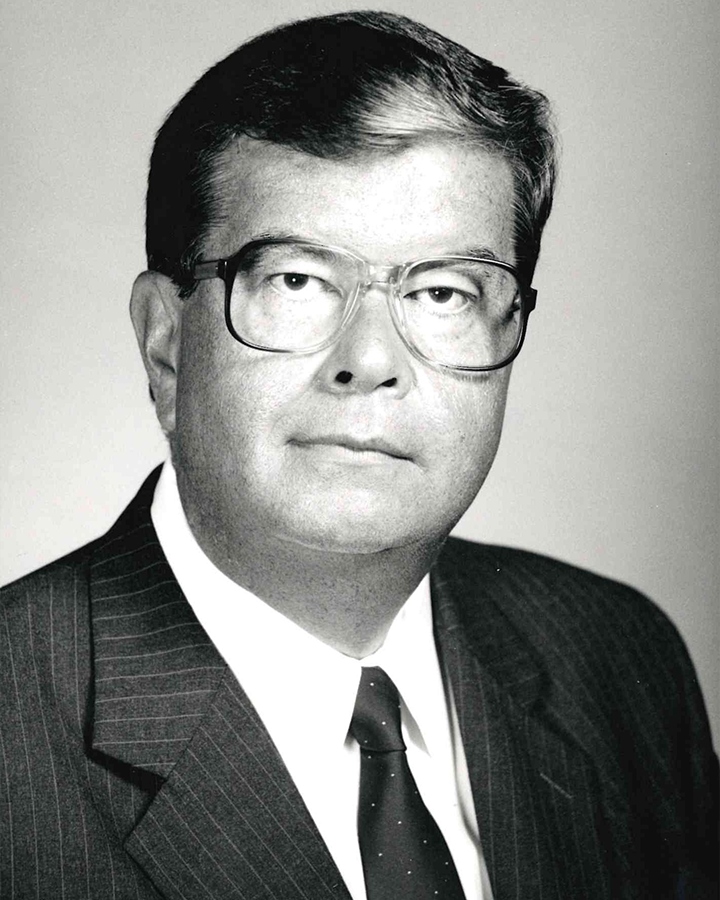
President of Thomas More College (1983-1986)
Before his presidency at Thomas More College, Dr. Thomas A. Coffey had a distinguished career in higher education and adult learning. He began his professional life as a secondary school teacher in Minneapolis (1955–1962), later serving as an Assistant Professor and Director of Clinical Experiences at Hamline University (1966–1968). He then joined Mankato State University as Director of the Urban Center (1971–1976), where he promoted continuing education and urban outreach programs designed to meet the needs of working adults and emerging professional fields. His success in expanding university-community partnerships led to his appointment as Dean of the Division of Continuing Education at The American University in Washington, D.C. (1976–1982). There, he became a national advocate for lifelong learning and innovative educational delivery systems, supported by grants from the Shell Foundation and federal education programs.
Dr. Coffey’s scholarly focus combined curriculum design, educational leadership, and the social responsibilities of higher education. He emphasized that education should be transformative and lifelong, rooted in both academic rigor and service to the community. Appointed president in 1981, Dr. Coffey led Thomas More College through a period of renewal and institutional growth. His administration focused on improving the College’s financial stability, academic standards, and student experience.He spearheaded the creation of the Thomas More Centre, an initiative designed to utilize underdeveloped campus property for research and business collaboration. The project attracted outside interest and laid the groundwork for future partnerships between the university and regional industries.
Coffey prioritized campus improvements that enhanced both aesthetics and functionality. During his presidency, the Interlude student center, Chapel, Villa Madonna Shrine, Book Boutique, and student lounge facilities were renovated or expanded. He also oversaw practical upgrades to campus lighting, sidewalks, and residence hall amenities to improve safety and accessibility. Believing in the connection between community and learning, he doubled the Student Life budget and created new staff positions for a Coordinator of Student Activities and a Campus Minister, fostering a vibrant, inclusive campus culture. Academically, Dr. Coffey championed core curriculum reform and began planning for graduate programs, anticipating the College’s future expansion. He urged the Thomas More community to “reek in excellence,” calling on faculty and students alike to aspire toward national distinction in Catholic liberal arts education.
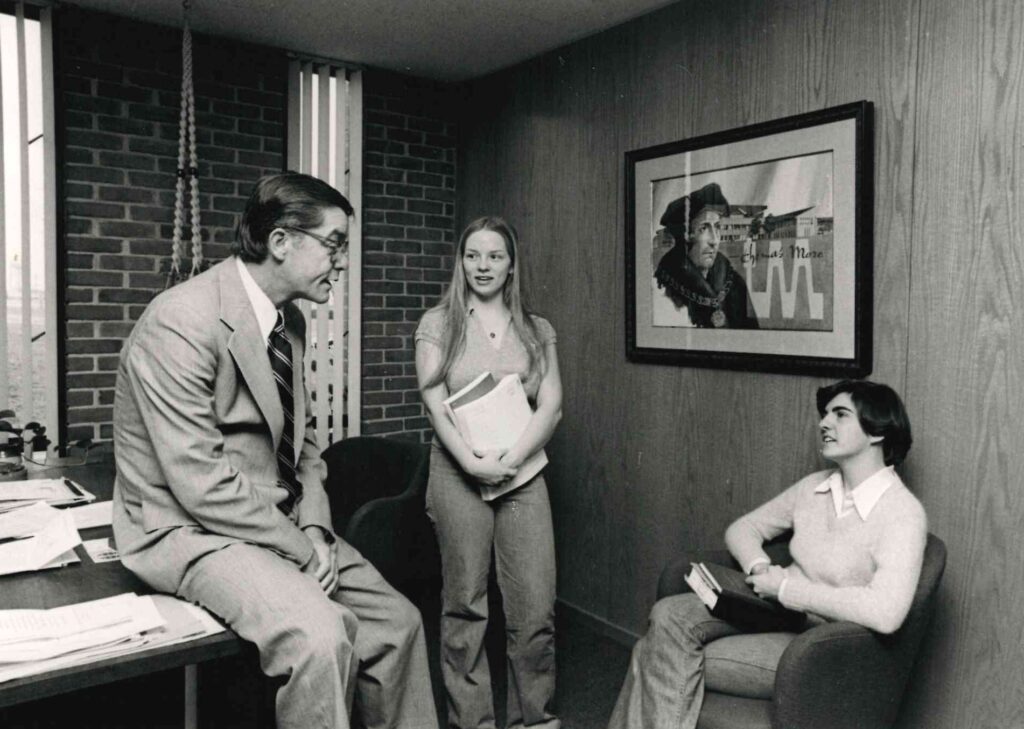
Dr. Coffey viewed education as a holistic endeavor that united intellectual growth, moral formation, and social responsibility. He believed Catholic institutions must embrace modern challenges while remaining faithful to their spiritual and educational traditions. His leadership style blended innovation with collaboration. He encouraged open dialogue between administration and faculty and sought to align academic goals with service to the broader community. Coffey consistently described higher education as a “lifelong vocation,” urging educators to cultivate curiosity, critical thinking, and empathy in every student.